Coral Residences Kandima: The Investment Case
Executive Summary
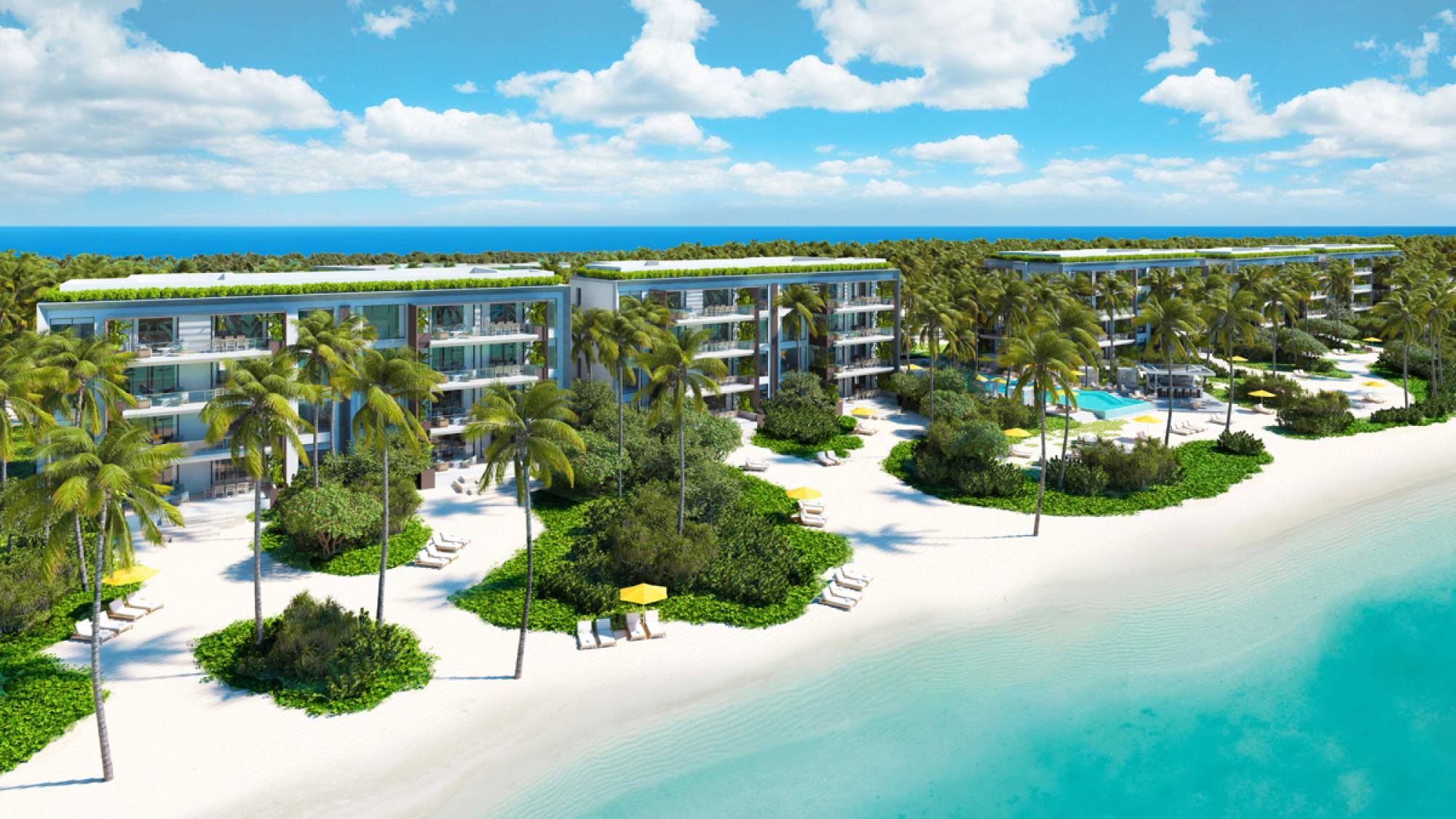
Coral Residences is a leasehold beachfront product in one of the world's most in-demand resort destinations, priced from $1.2 million with handover due September 2026, meaning construction risk is nearly exhausted. The investment case rests entirely on rental income from a captive resort management structure, and whether that income justifies a seven-figure commitment where no yield has been disclosed. For the right buyer, it does. For a yield-driven investor who needs the numbers upfront, it does not.
The Numbers
At $1.2 million entry for a two-bedroom unit, you are buying into a 40-apartment community inside an operating resort. The payment plan is staged through construction, which at this proximity to the September 2026 handover means most of the capital has already been called or will be called within weeks. This is not an 80/20 plan that lets you sit comfortably for two years. Buyers considering entry now should assume they are near-fully committed, near-term.
No ROI figure appears in the project data, which is unusual and worth addressing directly. Maldivian resort-residential products typically operate on a rental pooling or leaseback model, where the management company fills the unit and splits revenue with the owner. The returns depend on occupancy rates, the nightly rate the resort achieves, and what the management fee structure extracts before the owner sees income. None of those figures are published here. The honest read is that you are buying exposure to the Kandima resort's commercial performance without a guaranteed floor.
What the data does show: 40 units on a single island. Scarcity is structural. This is not a development that can be replicated on the same beach.
What Makes It Interesting
Two things set this apart from comparable Maldives off-plan offerings in the current market.
First, the construction risk window is essentially closed. Handover is September 2026, construction is confirmed underway, and the project is a small collection of 40 units rather than a sprawling multi-phase masterplan. The probability of meaningful delay is lower here than on a project with a 2028 or 2029 target. For investors who are wary of multi-year Maldives development timelines, this is among the nearest completions available.
Second, the five-year residency visa for owners is a genuine ancillary benefit in a country where the Maldives government has structured residency pathways to attract property capital. It does not make the investment case on its own, but for buyers seeking a base in the Indian Ocean region, the visa adds a dimension that pure resort ownership does not.
The Kandima resort operates on Dhaalu Atoll, positioned as a lifestyle resort rather than a traditional ultra-luxury Maldives product. That positioning matters for the rental market: it broadens the accessible guest demographic beyond the ultra-high-net-worth segment that drives occupancy at the top tier. In a market where occupancy is the primary driver of rental return, a wider demand base is a structural positive.
What to Watch
The leasehold structure is the first consideration. Foreign ownership in the Maldives does not confer freehold title. Buyers are acquiring a leasehold interest, which affects long-term capital appreciation and exit optionality. A leasehold asset's value trajectory differs materially from a freehold one, particularly as the lease term shortens.
The absence of a stated ROI creates pricing opacity. Without knowing the management fee, the rental pool split, or the resort's average nightly rates, an investor cannot stress-test whether the income stream justifies $1.2 million in capital deployed. This information should be sought and contractually verified before commitment.
The resort's operational performance is also outside the investor's control. If Kandima underperforms commercially, revenue suffers regardless of the property's intrinsic quality. That dependency on a single operator with no yield guarantee is the central risk.
Finally, exit liquidity in the Maldives secondary market is thin compared to established markets. Resale requires finding another buyer willing to underwrite the same assumptions.
Bottom Line
Coral Residences is the right product for a buyer who wants near-term delivery, physical use rights on a private Maldivian beach, and a residency visa, with rental income treated as a welcome supplement rather than the primary investment thesis. The construction risk is largely behind you, the scarcity argument is real, and the resort infrastructure is already operational.
It is the wrong product for an investor who needs a disclosed, underwritten yield before committing capital, requires freehold title, or is relying on a liquid exit within a short horizon. Those investors should look elsewhere until the rental terms and historical resort performance are documented and contractually secured.
Data sourced from OffPlan. ROI projections are developer-estimated and not guaranteed. This is not financial advice.