Off-Plan Property: Why UK Investors Are Moving to International Markets
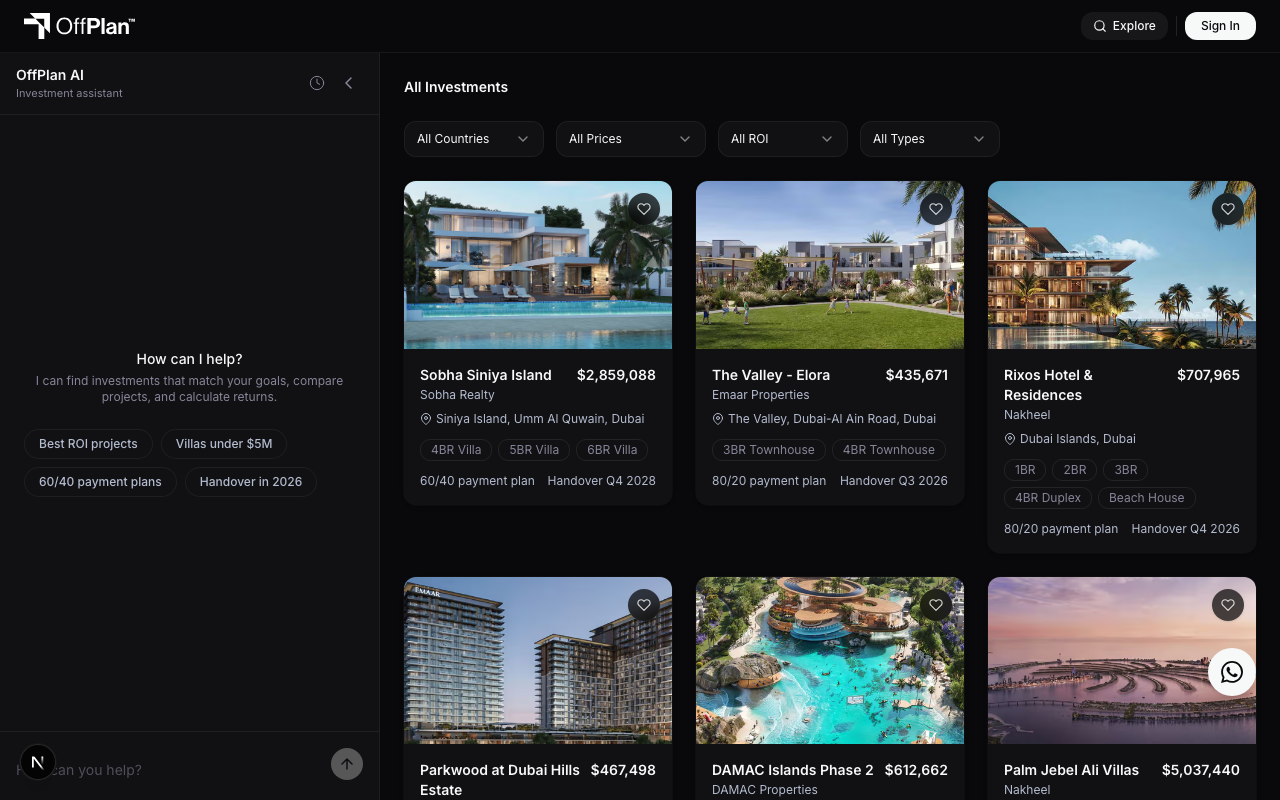
Staged payment lets you deploy 10% now, keep 90% working elsewhere.
Executive Summary
UK investors are moving capital into international off-plan markets primarily because the structural tax and regulatory drag on domestic property has compressed net returns, while several overseas markets offer lower entry costs, cleaner tax treatment, and payment structures that suit investors who do not want to commit full capital upfront. The shift is rational, not speculative, but it carries real risks that domestic investing does not.
The arithmetic stopped working. For a generation of UK property investors, the domestic formula was simple: buy, rent, repeat. Then came the stamp duty surcharge on second homes, the phased removal of mortgage interest relief, and a rental reform agenda that made landlords feel less like investors and less like public utilities. The numbers did not collapse overnight. They eroded, year by year, until the effort-to-return ratio started looking embarrassing next to alternatives abroad.
What It Actually Means
Moving into international off-plan is not simply buying a cheaper version of what you already own. It is a change in the legal environment, the currency exposure, the counterparty risk, and in some cases the fundamental nature of what you are purchasing. A leasehold villa in Thailand is a categorically different asset from a freehold apartment in Dubai. The yield might look similar on a developer's brochure. The underlying ownership rights are not.
The appeal is genuine. Several markets that UK investors are now targeting impose no capital gains tax on property sales, no annual wealth tax, and no restriction on repatriating rental income. Some offer residency pathways for qualifying purchase sizes. The combination of a lower purchase price, a staged payment plan that spreads capital over a construction period, and a cleaner post-sale tax position can produce a meaningfully better outcome than a leveraged UK buy-to-let grinding against rising compliance costs.
How It Works in Practice
Consider a purely illustrative scenario. A UK investor has $200,000 to allocate. Domestically, that buys a modest property in a regional city, fully deployed at purchase, subject to stamp duty, with mortgage interest only partially deductible.
Alternatively, that same $200,000 enters an off-plan development in a freehold-eligible zone abroad. A typical staged structure might look like this:
| Stage | Payment | When |
|---|---|---|
| Reservation | 10% | At signing |
| Construction milestones | 40% | Spread over build |
| Handover | 50% | On completion |
In this illustrative example, the investor deploys $20,000 now, keeps $180,000 earning returns elsewhere during the construction period, and takes ownership only when the asset is built. If the project completes on schedule and the market has moved, the paper gain is crystallised on a full asset value while only partial capital was at risk during construction. That is the structural appeal of off-plan staged payments.
What to Look For
Four things matter more than anything else in international off-plan:
- Tenure clarity. Freehold, leasehold, and hybrid structures vary significantly by market and by project type. Understand exactly what you will own at handover before any money moves.
- Developer track record. A payment plan is only as good as the developer's ability to build. Completed project history in the same market is the minimum bar.
- Escrow or payment protection. In well-regulated markets, stage payments are held in escrow and released only against construction milestones. Confirm this contractually.
- Currency and repatriation rules. Your return is ultimately in your home currency. Exchange rate movement over a two or three year construction period can meaningfully change the outcome.
Common Mistakes
The most common error is treating the developer's projected rental yield as a guaranteed return. It is a marketing number. Stress-test it by asking what the net yield looks like after management fees, vacancy periods, and any local property taxes.
The second mistake is conflating low price with good value. A $90,000 apartment in a market with weak rental demand and no resale liquidity is not a bargain. It is a liquidity trap.
The third, and perhaps most expensive, is buying in a market where foreigners cannot hold freehold title without understanding the leasehold alternative thoroughly. Leasehold is not inherently bad. Leasehold bought without understanding the lease term, renewal terms, and resale market absolutely is.
The UK domestic property market will likely recover some of its appeal over time. But the investors moving capital abroad now are not fleeing. They are diversifying into markets that are structurally better aligned with how off-plan investment actually works.
Data sourced from OffPlan. ROI projections are developer-estimated and not guaranteed. This is not financial advice.